Why Synthetic Rubber Has Unique Significance in Various Industries Today
Introduction
Take a moment and look around chances are, synthetic rubber is part of something you’re using right now. From the tyres on your car to industrial machinery and even everyday products, it quietly plays a huge role in keeping things running smoothly.
Over the years, industries have moved beyond relying only on natural materials. Today, they need something more reliable, more adaptable and that’s exactly where synthetic rubber stands out.
What Makes Synthetic Rubber So Important?
Unlike natural rubber, synthetic rubber isn’t dependent on nature. It’s designed and engineered to perform in specific conditions.
That means whether a business needs better durability, resistance to heat or chemicals, or consistent performance, synthetic rubber can be tailored to deliver exactly that.
Built for Real-World Challenges
One of the biggest reasons synthetic rubbers is so widely used is simple, it handles tough conditions better.
Think about environments where materials are exposed to extreme heat or cold, oils and chemicals, or constant wear and tear. Natural rubber can struggle here, but synthetic rubber is built for it.
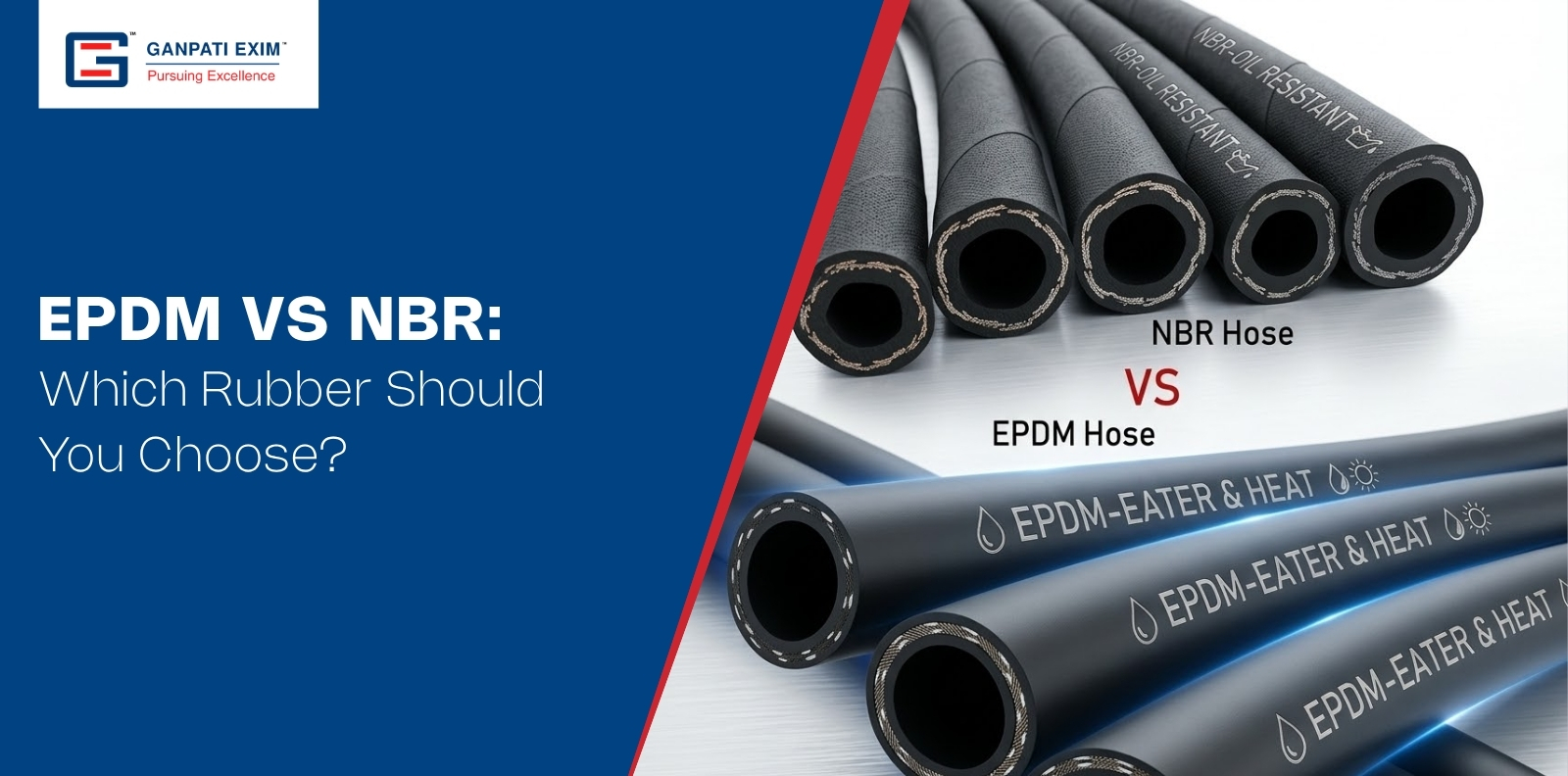
For example, NBR works well in oil-heavy environments, while EPDM performs reliably outdoors, even under harsh weather.
A Backbone for the Automotive Industry
If there’s one industry where synthetic rubber truly proves its value, it’s automotive.
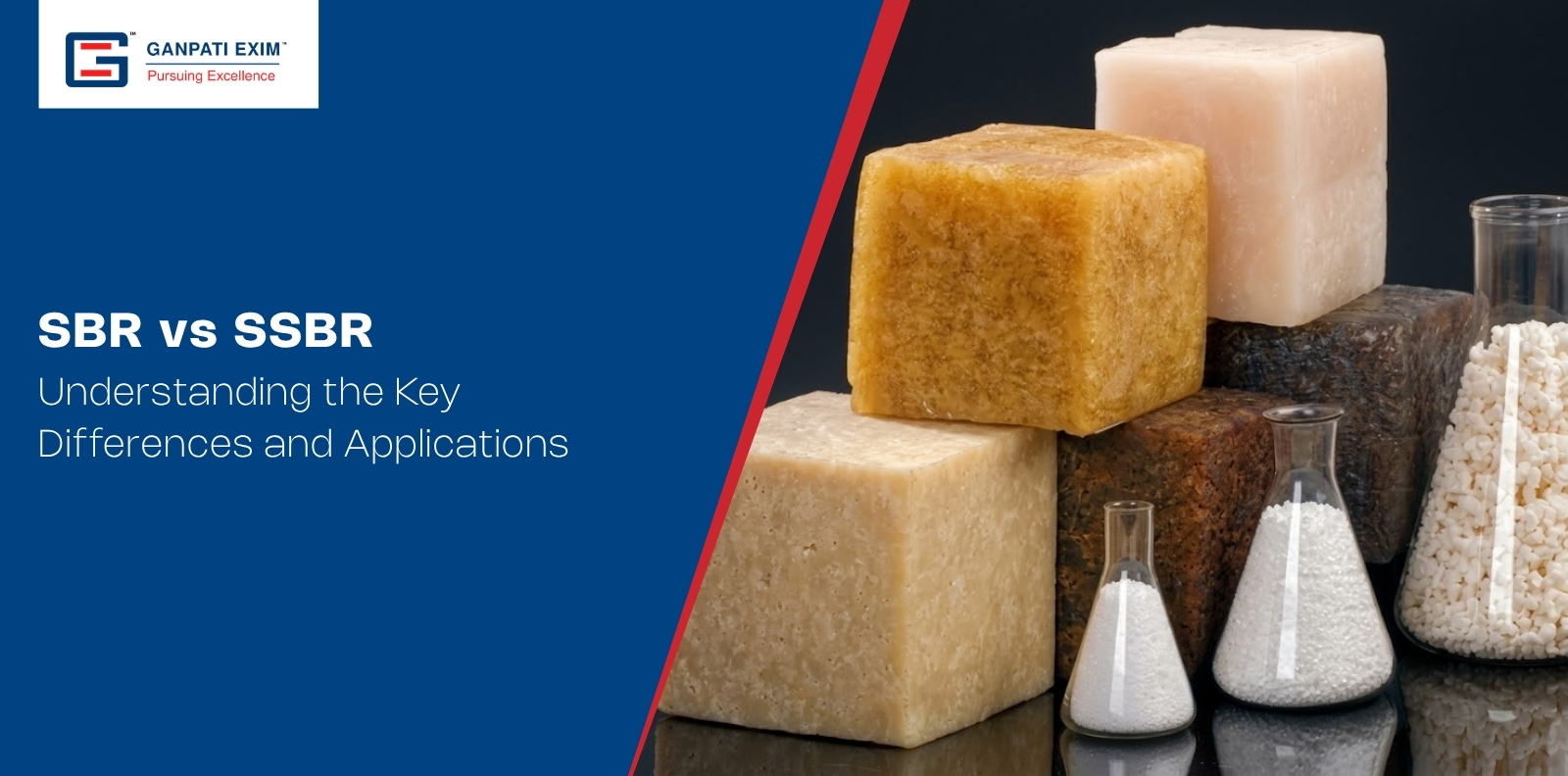
Tyres, in particular, rely heavily on materials like SBR and PBR because they offer better grip on the road, longer lifespan, and consistent performance across conditions.
It’s not just about durability, it’s about safety, efficiency, and reliability.
Consistency That Businesses Can Rely On
One challenge with natural materials is variation. Since they come from nature, consistency can sometimes be unpredictable.
Synthetic rubber removes that uncertainty. Every batch is manufactured under controlled conditions, ensuring reliable quality, fewer production issues, and smoother operations.
Flexible for Every Scale of Business
Another reason synthetic rubber holds such importance is its availability and scalability.
Whether a company needs small quantities for specialized production or bulk supply for large-scale manufacturing, synthetic rubber can meet those needs without disrupting supply.
Used Across More Industries Than You Think
Synthetic rubber isn’t limited to just one sector, it’s everywhere.
You’ll find it in automotive components like tyres, seals, and hoses; construction materials like insulation and roofing; industrial products such as conveyor belts and rollers; and healthcare items including gloves and tubing.
Supporting Innovation and Growth
As industries evolve, so do their material needs.
Synthetic rubber continues to adapt whether it’s through high-performance formulations, improved durability, or more sustainable alternatives. It’s not just keeping up with change it’s helping drive it.
Conclusion
At its core, synthetic rubber is important because it solves real problems. It offers reliability where consistency is critical, durability where conditions are harsh, and flexibility where businesses need to scale.
That’s why it has become such an essential part of modern industry.
And as demand continues to grow, working with the right supply partner becomes just as important as choosing the right material ensuring quality, consistency, and timely delivery every step of the way.
Call to Action
Looking for a dependable source for synthetic rubber and industrial materials? Partner with a team that understands your requirements and delivers with consistency.