The Rubber Revolution: How Chemical Innovations Are Changing the Industry
Rubber has been a cornerstone of modern industry for more than a century. From tyres and conveyor belts to seals, gaskets, footwear, and countless everyday products, rubber plays a role in nearly every sector. But what truly powers its performance? The answer lies in rubber chemicals.
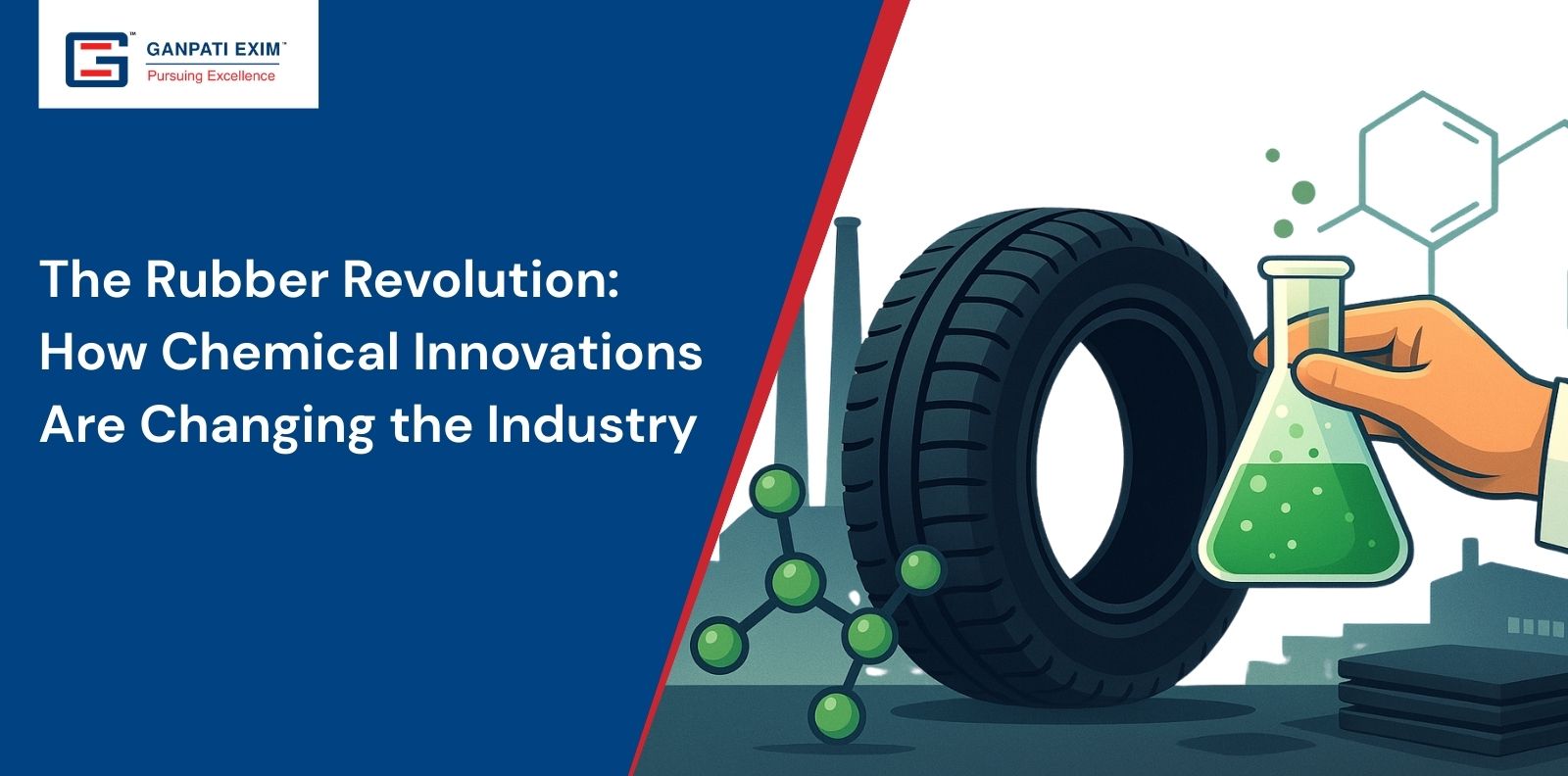
In recent years, advancements in rubber chemical technology have sparked a revolution transforming durability, efficiency, sustainability and the way industries approach manufacturing. Let’s explore how these chemical innovations are reshaping the rubber industry.
The Role of Rubber Chemicals in Manufacturing
Rubber, in its raw form, lacks the strength, resilience, and resistance required for industrial applications. That’s where rubber chemicals step in. These additives enhance rubber’s physical and mechanical properties, making it suitable for high-performance use.
Some key categories include:
- Accelerators: Speed up vulcanization, ensuring faster, more efficient production.
- Vulcanizing Agents: Improve elasticity and thermal resistance.
- Antioxidants & Antiozonants: Protect rubber from cracking due to oxygen and ozone exposure.
- Plasticizers: Enhance flexibility and processability.
- Fillers & Reinforcing Agents: Boost strength and durability.
Without these chemicals, industries like automotive, construction, healthcare, and electronics wouldn’t have the reliable rubber components they depend on daily.
Innovation Driving the Rubber Revolution
Recent innovations in rubber chemical formulations are addressing long-standing industry challenges:
1. Enhanced Performance
New-generation accelerators and curing agents are delivering rubber with improved elasticity, abrasion resistance, and heat tolerance. This ensures longer product life especially critical in tyres, hoses and conveyor belts.
2. Eco-Friendly Additives
With increasing pressure on sustainability, manufacturers are turning to green rubber chemicals. These include bio-based plasticizers, non-toxic stabilizers, and low-VOC (volatile organic compound) solutions that reduce environmental impact.
3. Improved Safety & Compliance
Chemical innovations are aligning with global safety standards such as REACH and RoHS, helping manufacturers meet regulatory requirements while ensuring worker and consumer safety.
4. Process Optimization
Modern rubber chemicals are designed to optimize processing conditions, reducing energy consumption and enhancing productivity key benefits for B2B manufacturers under cost pressures.
The Impact on Key Industries
Chemical innovations in rubber are revolutionizing several sectors:
- Automotive: Tyres now last longer, grip better and perform well under extreme conditions, thanks to advanced accelerators and fillers.
- Construction: Sealants, adhesives, and insulation materials benefit from improved weather and ozone resistance.
- Medical & Healthcare: Rubber gloves and medical tubing require safe, high-performance compounds that withstand sterilization.
- Electronics: Insulating materials in cables and devices rely on flame-retardant and heat-resistant rubber chemicals.
Each innovation not only boosts product performance but also reduces waste and energy use across supply chains.
Cost vs Value: Why Quality Rubber Chemicals Matter
While cheaper alternatives exist, substandard rubber chemicals often lead to:
- Reduced product lifespan
- Frequent maintenance and replacements
- Higher long-term costs for end-users
By contrast, premium-quality rubber chemicals deliver superior durability, consistency, and compliance making them a smarter investment for B2B buyers.
Future Outlook: Where Rubber Chemicals Are Heading
The future of the rubber industry is being shaped by:
- Nanotechnology in rubber chemicals for ultra-strong composites
- Bio-based vulcanizing agents reducing petroleum dependence
- Smart additives that enable self-healing or responsive rubber materials
These advancements promise to take rubber performance and sustainability to new heights.